
Hearing Aids: A Key to Prolonging Brain Health and Cognitive Functions
Emerging research heralds good news: hearing aids may stabilize cognitive functions in seniors with hearing loss for a minimum of three years. As a natural part of aging, nearly 60% of individuals over 60 experience some level of hearing loss, reports the World Health Organization. Alongside hearing, cognitive faculties also decline as we age — a non-pathological process that commences in our twenties.
As maturity progresses, challenges in multitasking and memory become more apparent, although linguistic abilities and wisdom may sharpen. Importantly, untreated hearing loss is now recognized to be linked with hastened cognitive decline, thus increasing the threat of dementia in the elderly.
Severity of hearing loss directly influences the rate of cognitive decline, with those experiencing mild hearing loss at double the risk of dementia compared to those with normal hearing. Those with severe hearing impairment face a risk almost fivefold. Astonishingly, around 40% of dementia instances are considered preventable, with hearing loss identified as the single most significant modifiable risk factor — surpassing even cardiovascular disease and diabetes.
There are a few prevailing theories as to why hearing aids might promote cognitive health. The 'use it or lose it' theory suggests that diminished auditory stimulation might lead to brain structure and function alterations. Another theory proposes that individuals with hearing loss exert additional cognitive effort for auditory processing, diverting resources typically allocated for other functions, impacting memory. Additionally, the reduced social interaction and environmental engagement resulting from hearing loss might lead to psychological impacts, such as loneliness and depression, influencing brain structure and functionality.
Dementia's prevalence is a concern globally, with impacts on over 55 million people. Studies suggest that delaying the onset of dementia by even a single year could decrease its global presence by 10%.
Newly published research in Frontiers in Neuroscience demonstrated that hearing aid users maintained stable cognitive performance over three years, unlike their counterparts who showed notable cognitive decline. This evidence underscores the role of hearing aids in public health strategies aiming to delay cognitive decline and the broader burden of dementia.
Apart from dementia risk, hearing loss is also linked with an increased likelihood of falls, more frequent hospitalizations, and greater usage of medical services, alongside depression and elevated mortality risks.
Utilizing hearing aids, which are safe and non-invasive, could be a cornerstone in promoting healthy aging. Maintaining social connectedness and effective communication is vital for well-being as we age. It's been found that lacking social connections could be as detrimental as smoking up to 15 cigarettes per day.
The adoption of hearing aids early on, before hearing loss significantly impacts brain function, is advised. While they don't restore normal hearing, the brain can adapt to the auditory input, reinforcing effective communication and ongoing social engagement — essential factors for cognitive health and overall quality of life.
This Author's Services
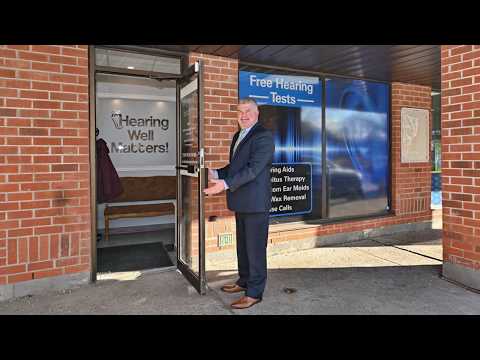
Hearing Well Matters! Burlington Hearing Clinic
Hearing Well Matters! - Your Trusted Hearing Clinic in Burlington
Looking for a reliable hearing clinic in Burlington? Hearing Well Matters! is your premier destination for comprehensive hearing care. Located in central Burlington, we offer a full range of services including hearing tests, hearing aid fittings, tinnitus management, and ear wax removal to ensure you get personalized care tailored to your unique hearing needs. As a family-owned and independently operated clinic, we are dedicated to improving hearing health and enhancing the quality of life for our clients.
Our Burlington clinic specializes in seniors' hearing testing, helping to address hearing loss early and reduce associated risks like cognitive decline and social isolation. With our expert audiologists and state-of-the-art technology, we provide high-quality hearing aids designed for clarity and comfort, as well as custom ear protection and earmolds for added safety in noisy environments. Every service we offer is grounded in compassionate, patient-centered care that prioritizes each client’s lifestyle and budget.
Whether you’re seeking preventive care or advanced hearing solutions, book a free hearing evaluation at our Burlington clinic today. Trust Hearing Well Matters! to keep you connected, socially active, and engaged with the world around you.
We invite you to call us with any of your questions and if you're ready - book an appointment now!
